

Finding Light in the Darkness: A Comprehensive Guide to Local Grief Support Resources in Northeast Wisconsin
Experiencing the death of a loved one is one of the most universally profound, yet deeply isolating, experiences a human being can endure. When the casseroles stop coming, the funeral flowers fade, and the rest of the world seemingly goes back to normal, the true weight of grief often sets in. If you live in Northeast Wisconsin and are navigating this heavy emotional landscape, you might find yourself asking, "Where do I go from here? Who can understand what I am feeling?"
The good news is that you do not have to walk this path alone. Northeast Wisconsin is home to a deeply compassionate community and robust, professional bereavement networks. Leading this charge is Unity Hospice, a pioneer in end-of-life care and bereavement support. While our physical Grief and Education Center is located in De Pere, Unity is dedicated to serving individuals throughout our entire 14-county service area. Whether you live in Brown County, Outagamie, Door County, or Marinette, Unity provides barrier-free in-person, virtual, and phone grief support to ensure you get the help you need.
This guide is designed to be your comprehensive roadmap to local grief support resources in Green Bay, De Pere, and surrounding communities. Whether you are seeking one-on-one counseling, community support groups, or resources for grieving children, this article will connect you with the help you need, ground your experience in the latest mental health insights of 2026, and offer a beacon of hope for the journey ahead.
1. The Landscape of Grief in 2026: You Are Not an Anomaly
Before seeking resources, it is crucial to validate what you are feeling. Grief is not a disease to be cured; it is the natural, inevitable response to loss. However, it can feel incredibly overwhelming, affecting every facet of your life, from your emotional stability to your physical health.
The Reality of Bereavement: Statistics and Insights
National and local data underscore just how impactful the grieving process is, and why professional support is so vital:
- The Healing Timeline: According to recent studies, including ongoing research by the Medical College of Wisconsin's DREAM Program, most acutely grieving adults are resilient and recover their pre-loss daily functioning within a year. An estimated 4%-15% of bereaved adults will experience the persistent symptoms of Prolonged Grief Disorder (PGD) or bereavement-related depression.
- Physical Impacts: Grief is not just in your head; it is in your body. It is common to experience changes in appetite, severe insomnia, weakened immune responses, and "brain fog." In fact, the stress of acute grief can increase inflammation in the body, making physical self-care during this time an absolute necessity.
- The Wisconsin Context: Data from the Wisconsin Department of Health Services indicates that the need for behavioral health and crisis support often spikes following major life transitions, including the loss of a primary caregiver or spouse. In Brown County, local coalitions are actively working to bridge the gap between experiencing a loss and finding accessible mental health care.
Understanding these statistics is not meant to frighten you, but to validate your experience. If you are feeling physically exhausted, mentally scattered, or emotionally numb, you are experiencing a documented, normal human reaction to profound loss.
2. The Unity Grief and Education Center: Green Bay’s Safe Haven
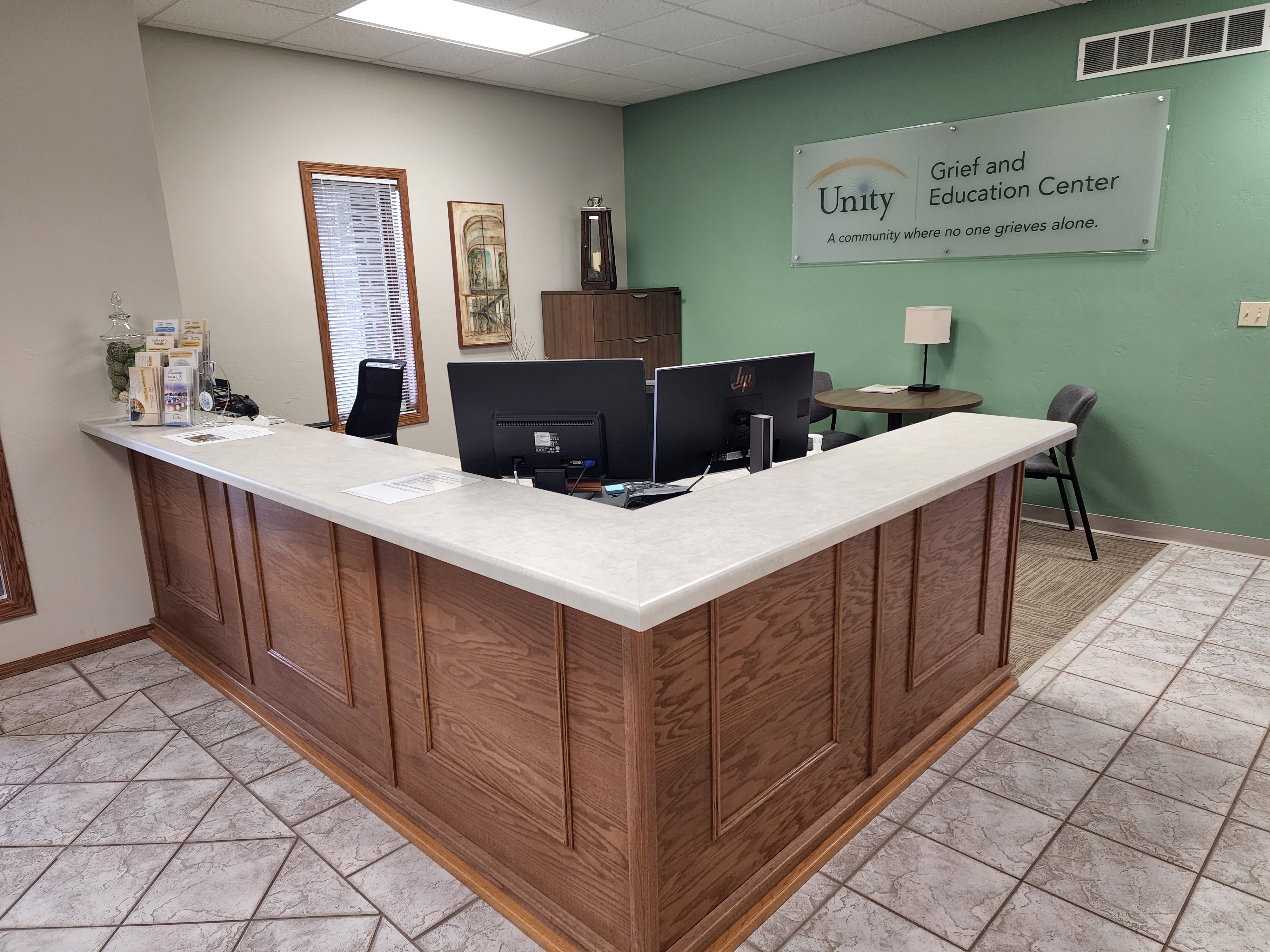
At the heart of Northeast Wisconsin's bereavement network is the Unity Grief and Education Center. Located conveniently at 2079 Lawrence Dr., Ste B, in De Pere, WI, this center stands as the region’s only free-standing facility entirely dedicated to grief support and education.
Perhaps the most important thing to know about the Unity Grief and Education Center is this: Its services are offered at no charge to anyone in the community who has experienced a death. You do not need to have utilized Unity Hospice's end-of-life care services to access their grief support. The organization firmly believes that no one in Brown County, from Ashwaubenon to Suamico to Wrightstown, should ever have to grieve alone due to financial barriers.
What Makes the Center Unique?
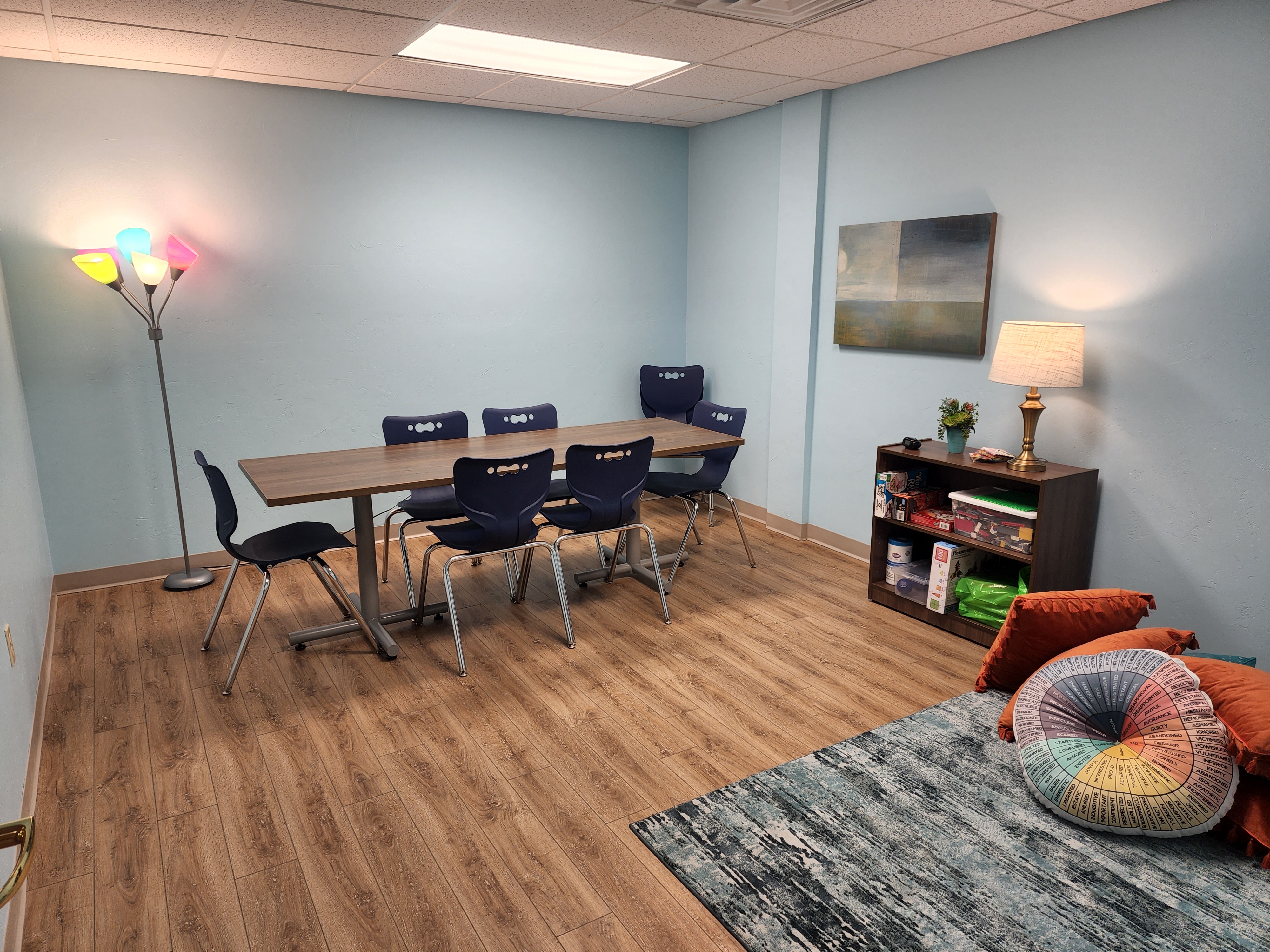
The facility is designed to be a "safe haven." It is intentionally separated from hospice settings to provide a neutral, calming environment focused entirely on healing and the future. The center is staffed by highly trained, licensed grief counselors, specialized social workers, and dedicated volunteers who understand the nuances of the bereavement journey.

3. Comprehensive Services Offered by Unity Hospice
Grief is highly individualized. What brings comfort to one person might not resonate with another. Recognizing this, Unity Grief and Education Center provides a wide spectrum of Grief Support Resources, allowing you to choose the level and type of support that feels right for you.
Individual and Family Counseling
Sometimes, the complexity of your emotions requires private, focused attention. Unity offers one-on-one counseling sessions with licensed staff. These sessions provide a safe, confidential space to process anger, guilt, profound sadness, or the complex family dynamics that often emerge after a death. Family counseling is also available to help households communicate and support each other through their shared, yet individual, grief.
Professionally Led Support Groups
There is a unique, profound healing power in connecting with others who "get it." Experienced counselors from the Unity Grief and Education Center facilitate various support groups throughout the year. Whether you prefer to meet in person at one of our Northeast Wisconsin locations or from the comfort of your home via Zoom, we offer a space for you:
Navigating Grief: Held Tuesday afternoon and evenings at Unity Grief and Education Center, this six-week group for adults covers topics including common reactions to grief, memories, coping and adjusting to new roles, self-care and finding hope.
- Afternoon (1:30 – 3 PM)
- January 27 – March 3
- March 24 – April 28
- May 26 – June 30
- July 21 – August 25
- September 15 – October 20
- Evening (6 – 7:30 PM)
- February 17 – March 24
- May 5 – June 9
- July 7 – August 11
- September 8 – October 13
Virtual Grief Connect: Held on the first and third Thursday evenings (6 – 7:30 PM) of the month on Zoom, this group provides an opportunity for adults to share their grief journey and find hope through connection. Participation in Navigating Grief is recommended prior to Grief Connect.
Grief Connect: Held on the first and third Thursday afternoons (1:30-3:00 PM) of the month at the Unity Grief and Education Center, this group provides an opportunity for adults to share their grief journey and find hope through connection. Participation in Navigating Grief is recommended prior to Grief Connect.
Understanding Grief – Sturgeon Bay: Held in the afternoon (1:00 – 2:30 PM) the last Wednesday of each month with the exception of November and December, when Understanding Grief will meet the 3rd Wednesday of the month, this group offers a space place for those who are grieving a death to connect with others as well as gain tools and insights into their grief journey.
Understanding Grief – Marinette: Held in the afternoon (1:00 – 2:30 PM) the first Wednesday of each month, this group offers a space place for those who are grieving a death to connect with others as well as gain tools and insights into their grief journey.
Healing Thru The Arts: Held the second Wednesday of the month in the afternoon (1:30 – 3:30 PM) and evening (6- 8 PM) at Unity Grief and Education Center, this hands-on creative workshop for adults guides participants to process their grief and incorporate memories. Prior art experience not required.
Generations: Held the second and fourth Thursday evenings of each month at Unity Grief and Education Center (only the second Thursday in summer), this group provides support to grieving families. Activities and topics are tailored to children and teens ages 4 - 18, while adults share their own grief experience. Complimentary dinner is provided.
Hope and the Holidays: Held five consecutive Tuesday afternoons or evenings beginning in November at Unity Grief and Education Center or virtually, this group for adults covers topics including grief during the holiday season, holiday traditions, self-care and finding hope.
- Afternoon (1:30 – 3 PM)
- TBD
For a list of all support groups, visit https://unityhospice.org/grief-support
The 13-Month Supportive Communication Program
The first year without a loved one is filled with painful "firsts", the first birthday, the first holiday season, the first anniversary of their passing. Unity recognizes this timeline and provides a 13-month supportive mailing program. Families receive regular, gentle check-ins, newsletters, and educational materials that provide practical coping strategies mapped to the typical timeline of the first year of grief.
The Grief Lending Library
Located inside the De Pere Grief and Education Center, the lending library is a quiet space filled with carefully curated literature. It contains printed materials, books, and workbooks covering topics from understanding the physical symptoms of grief to explaining death to a toddler. Anyone in the community is welcome to browse and borrow these resources.
Anticipatory Grief Support
A common misconception is that grief only begins after a death occurs. In reality, when a loved one is diagnosed with a terminal illness, the family often experiences Anticipatory Grief. This involves mourning the future you thought you would have, mourning the gradual loss of the person's abilities, and living in a state of chronic dread. Unity offers specialized support for individuals navigating this pre-loss stage, helping them find grounding and meaning in their loved one's final days.
4. Specialized Support for Children and Teens in Northeast Wisconsin
Children do not grieve like adults. A child might be crying uncontrollably one moment and asking to go play outside the next. This "puddle jumping" behavior is entirely normal, but it requires specialized support structures to ensure the child is processing their emotions in a healthy way.
Through the Unity Grief and Education Center, specialized counselors work with children and teens using developmentally appropriate techniques. Beyond Unity’s in-house services, Green Bay offers incredible community partnerships focused on youth bereavement:
Camp Lloyd at UW-Green Bay
One of the most remarkable local resources is Camp Lloyd, hosted on the University of Wisconsin-Green Bay campus. This week-long summer day camp is specifically designed for grieving children in grades 2 through 9. It provides a beautiful balance of traditional camp fun (arts and crafts, games, outdoor activities) with structured, professionally guided grief support sessions. It allows children from the Greater Green Bay area to realize they are not the only kids dealing with the loss of a parent, sibling, or loved one.
School and Community Outreach
Because children spend the majority of their waking hours in the classroom, the school environment is critical to their healing. Unity Grief and Education Center provides grief consultation, workshops, and crisis training directly to local schools and community organizations across Brown County, ensuring that educators and counselors are equipped to support grieving students effectively.
5. Other Crucial Local Resources in the Green Bay Area
While Unity Hospice serves as the cornerstone of bereavement care in the region, they operate within a broader network of compassionate community organizations. Building a "toolkit" of support often means utilizing multiple local avenues.
Brown County Coalition for Suicide Prevention
Losing a loved one to suicide introduces a profoundly complex layer of trauma, stigma, and unanswerable questions into the grieving process. The Brown County Coalition for Suicide Prevention is a vital local organization dedicated to supporting suicide survivors. They help connect grieving families with specialized peer support groups where they can speak openly and without judgment about the unique pain of a suicide loss.
ADRC of Brown County & Door County
The Aging and Disability Resource Center (ADRC) is a phenomenal resource for older adults navigating the loss of a spouse. While Unity Hospice regularly partners with the ADRC (such as funding specific grief support groups through local community foundation grants), the ADRC itself can help bereaved older adults navigate the practical, logistical changes following a loss. This includes assistance with Medicare questions, securing Meals on Wheels if cooking for one feels impossible, and connecting with community centers to combat isolation.
Memorial Programs and Holiday Support
The holiday season in Wisconsin, with its deep-rooted family traditions can be an agonizing time for the bereaved. Unity Hospice hosts the annual Honor A Life Holiday Gathering in December. This community-wide memorial service allows families from across Northeast Wisconsin to gather, light a candle, and publicly honor the memory of their loved ones in a supportive, empathetic environment.
6. Expanding Your Support Network: National and Digital Resources
In 2026, finding support also means looking beyond our local geography. The Unity Hospice Team frequently recommends several highly vetted national organizations and digital platforms that provide excellent supplementary support from the comfort of your own home:
- What’s Your Grief: An exceptionally modern, accessible website offering grief education, articles, and a vibrant online sharing community. It approaches grief with honesty, shedding the clinical jargon in favor of real talk.
- The Center for Loss and Life Transition: Founded by renowned grief expert Dr. Alan Wolfelt, this organization focuses on "companioning" rather than "treating" the bereaved. Their website offers hundreds of articles on the philosophy of mourning.
- The Dougy Center: Based in Oregon but globally recognized as the National Grief Center for Children & Families. They offer unparalleled free, printable resources and activity guides for helping children and young adults cope with death.
- Compassionate Friends: A national peer support network specifically dedicated to families who have experienced the devastating death of a child at any age, from any cause.
- Sesame Street Workshop: For families in Green Bay with toddlers and very young children, Sesame Street offers a beautiful, free digital toolkit designed to help young minds understand the finality of death and the persistence of love.
7. How to Know When It Is Time to Seek Professional Help
A common question heard by the counselors at the Unity Grief and Education Center is: "Is what I am feeling normal, or do I need professional help?"
Because grief is so chaotic, it can be hard to tell the difference between typical mourning and complicated grief. You should consider reaching out to the Unity Grief and Education Center or a healthcare provider if you experience any of the following for a prolonged period:
- Intense or Prolonged Sadness/Rage: While sadness is expected, if you feel an unconsolable, paralyzing sadness or intense rage that does not lessen in intensity as months pass, professional support is warranted.
- Severe Isolation: If you find yourself entirely withdrawing from your existing network, refusing to see friends, skipping family gatherings, or feeling completely alienated from the Green Bay community around you.
- Inability to Function: If you are unable to perform basic daily tasks, such as maintaining personal hygiene, going to work, or caring for your dependents, well beyond the immediate aftermath of the death.
- Changes in Physical Health: Extreme, persistent insomnia, significant unplanned weight loss, or self-medicating with alcohol or substances.
- Intrusive Thoughts: Experiencing debilitating, intrusive thoughts about the manner of your loved one's death, or experiencing persistent thoughts that life is no longer worth living without them. (Note: If you are experiencing thoughts of self-harm, please dial the 988 Suicide & Crisis Lifeline immediately).
Remember, seeking help is not a sign of weakness; it is a sign that you are committed to honoring your loved one's memory by surviving and eventually finding a way to thrive again.
Frequently Asked Questions
To ensure our Green Bay community has the clearest answers possible, we have compiled the most frequently asked questions regarding local grief support.
Do I have to pay for grief counseling at Unity Hospice?
- All grief support services provided by the Unity Grief and Education Center in De Pere are offered at absolutely no charge to anyone in the community, regardless of income or whether your loved one utilized Unity’s hospice services.
Where is the Unity Grief and Education Center located?
The center is located at 2079 Lawrence Dr., Ste B, De Pere, WI 54115. It is easily accessible for residents of Green Bay, Ashwaubenon, and the surrounding Brown County suburbs.
What specific areas and counties does Unity Hospice serve?
While our main center is in De Pere, we provide comprehensive bereavement support and hospice care across a 14-county service area in Northeast Wisconsin. Whether you need virtual grief counseling or in-home care, our dedicated team serves the following communities:
- Brown County: Ashwaubenon, De Pere, Green Bay, Greenleaf, Howard, Pulaski, Suamico, Wayside, Wrightstown
- Calumet County: Brillion, Darboy, Hilbert, Kimberly
- Door County: Brussels, Egg Harbor, Ellison Bay, Ephraim, Fish Creek, Forestville, Gills Rock, Jacksonport, Sister Bay, Sturgeon Bay, Washington Island
- Florence County
- Forest County: Armstrong, Laona, Wabeno
- Kewaunee County: Algoma, Casco, Ellisville, Kewaunee, Luxemburg
- Manitowoc County: Manitowoc, Mishicot, Two Rivers, Reedsville, Valders
- Menominee County: Keshena, Neopit
- Marinette County: Amberg, Athelstane, Coleman, Crivitz, Dunbar, Goodman, Marinette, McAllister, Niagara, Pembine, Peshtigo, Porterfield, Pound, Wausaukee
- Oconto County: Abrams, Gillett, Lakewood, Lena, Mountain, Oconto, Oconto Falls, Pulaski, Sobieski, Suring, Townsend
- Outagamie County: Appleton, Freedom, Grand Chute, Hortonville, Kaukauna, Little Chute, Seymour, New London, Black Creek
- Shawano County: Bonduel, Bowler, Gresham, Krakow, Pulaski, Tigerton, Shawano
- Waupaca County: Clintonville
- Winnebago County: Menasha, Neenah, Omro, Oshkosh, Winneconne
How do I join a grief support group in Green Bay?
You can easily connect with the Unity Grief and Education Center by calling (920) 338-1111 or (920) 339-6700. You can also visit their website to fill out a secure, online contact form to request information about the current schedule of support groups.
Can grief start before a person dies?
- This is known as Anticipatory Grief. It is a common and highly stressful experience for families caring for a loved one with a terminal illness like Alzheimer's, ALS, or advanced cancer. Unity Hospice provides specialized support to help families navigate these complex emotions prior to the actual loss.
- Grief is not a linear process, and it does not have an expiration date. While the acute, sharp pain of early grief typically softens over the first 12 to 18 months, the sense of loss is something you will carry and integrate into your life forever. You are never "done" grieving, but you do learn how to carry it with more grace and less pain.
Is there a timeline for grief?
Taking the First Step Toward Healing
Grief can make the world feel incredibly small, dark, and difficult to navigate. If you are reading this from your living room in Green Bay, feeling overwhelmed by the silence left in your loved one's wake, please know that the community surrounding you is ready to catch you.
You do not have to have all the answers today. You do not have to "move on." You simply have to take the next, smallest step forward. Whether that step is borrowing a book from the lending library, attending a holiday memorial, or making a phone call to speak with a licensed counselor, the Unity Grief and Education Center is ready to meet you exactly where you are.
Healing is a journey of a thousand miles, but it begins by reaching out a hand.
If you or someone you know is struggling with the loss of a loved one, please do not wait. Contact Unity Hospice today by calling (920) 338-1111 to discover how our compassionate team can support you on your path to healing.