

Pet Therapy in Hospice: Bringing Comfort at the End of Life in Northeast Wisconsin
There is a profound, almost untranslatable language spoken between humans and animals. It exists in the gentle nudge of a cold nose against a resting hand, the rhythmic thumping of a tail against the floorboards, and the steady, grounding presence of a dog resting its head softly on the edge of a bed. When words fail, as they often do at the end of life, this silent language speaks volumes.
In Northeast Wisconsin, our connection to animals is deeply woven into our local culture. From the working dogs on rural farms in Shawano and Oconto counties to the beloved family golden retrievers walking the trails of Green Bay and Door County, animals are considered family. Therefore, it is only natural that when an individual enters the final chapter of their life, the comforting presence of an animal remains a vital source of peace.
At Unity Hospice, the pioneer of hospice care, palliative care, and grief support in Wisconsin, we recognize that true comfort care extends far beyond medical symptom management. It encompasses the emotional, psychological, and spiritual well-being of the patient. This is where the profound power of Pet Therapy (also known as Animal-Assisted Therapy) comes in.
This comprehensive guide explores the incredible science behind the human-animal bond, how certified pet therapy enhances the hospice experience, and the ways Unity Hospice integrates this specialized comfort into the homes and facilities of our Northeast Wisconsin communities.
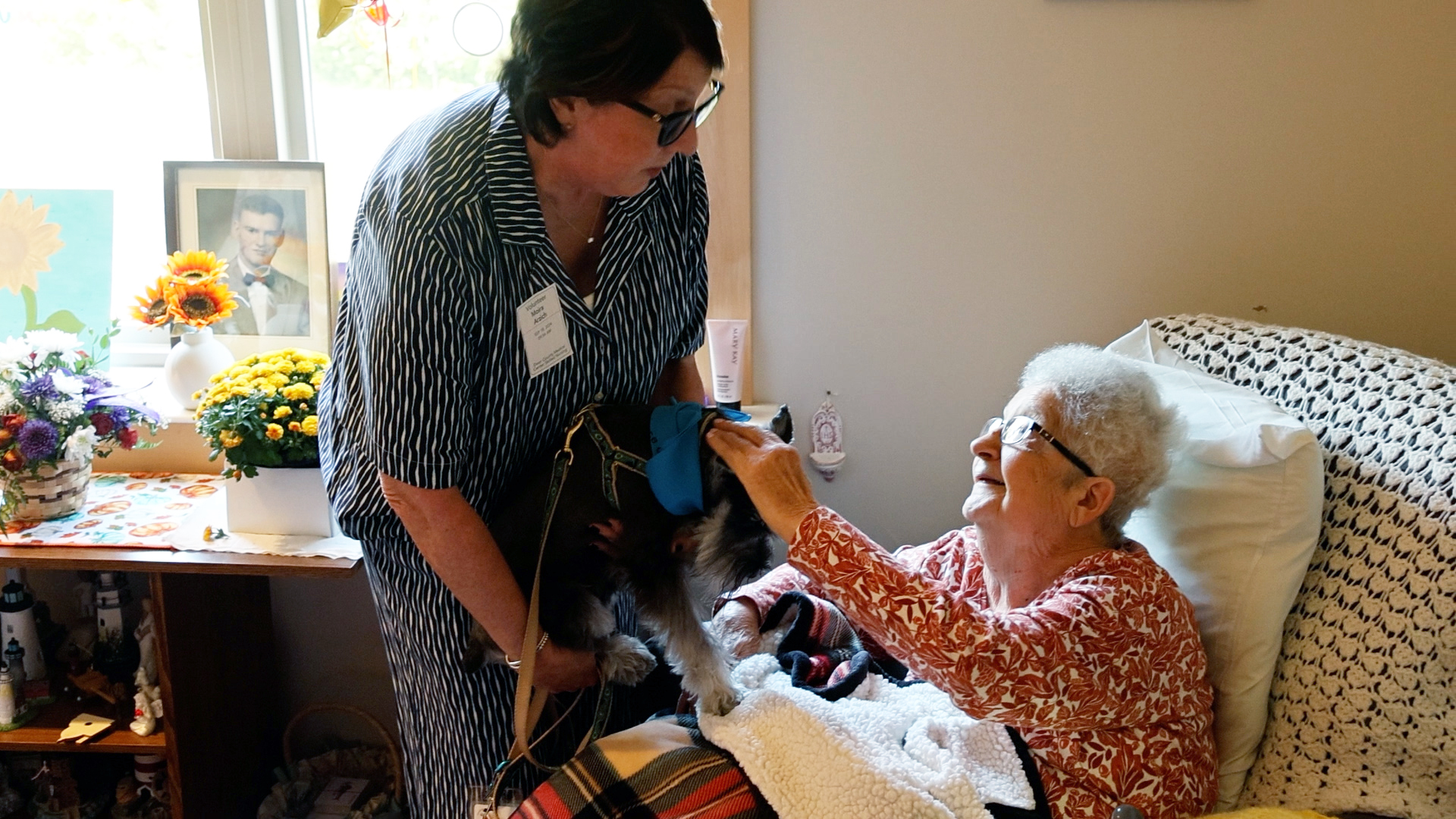
1. The Science Behind the Comfort: Why Pet Therapy Works
The immediate joy a person feels when petting a dog is not just an emotional reaction; it is a deeply physiological one. When a patient is facing a life-limiting illness, their body is often in a chronic state of stress, flooded with cortisol and adrenaline. Pet therapy serves as a natural, biological intervention.
The National and Local Statistics
To understand the importance of this therapy, we must look at how deeply ingrained animals are in our lives:
- The National Bond: According to the latest data from the American Pet Products Association (APPA), approximately 66% of U.S. households own a pet.
- The Wisconsin Context: Wisconsin is a notably pet-loving state, with recent demographic surveys indicating that about 59% of Wisconsin households include at least one pet.
- Clinical Impact on Anxiety: Rigorous clinical trials, including a landmark controlled study on visiting therapy dogs, have shown that animal-assisted interventions can result in a greater than 50% reduction in a patient's pain scores, anxiety levels, and depression during and immediately following a therapy visit.
The "Chemistry" of Comfort
When a hospice patient interacts with a certified therapy animal, several measurable physiological shifts occur:
- Oxytocin Release: Often referred to as the "love hormone" or "cuddle chemical," oxytocin levels spike in both the human and the dog during positive interactions. This hormone promotes feelings of intense bonding, trust, and deep relaxation.
- Cortisol Reduction: Interacting with a calm animal actively lowers the production of cortisol, the body’s primary stress hormone. This reduction helps soothe the nervous system, which is particularly beneficial for patients experiencing terminal restlessness or severe anxiety.
- Lowered Blood Pressure and Heart Rate: The simple, repetitive motion of stroking a dog’s fur has been clinically proven to lower a patient's blood pressure and stabilize their heart rate, providing a natural, non-pharmacological form of cardiovascular relaxation.
- Endorphin Production: Laughter and smiles triggered by a dog's playful or affectionate behavior stimulate the release of endorphins, the body's natural painkillers, offering a distraction from chronic physical discomfort.
2. Emotional and Psychological Benefits in Hospice Care
While the medical team at Unity focuses on physical symptom management, the emotional landscape of a terminal diagnosis is vast and complex. Pet therapy addresses several unique psychological needs that human interaction sometimes cannot.
Safe, Uncomplicated Touch
As illnesses progress, patients often experience a lack of casual, non-medical touch. Relatives may be afraid of hurting them, and clinical visits inherently involve medical procedures. A therapy dog, however, offers pure, uncomplicated affection. They do not care about the medical equipment in the room, the loss of hair, or the patient's frailty. They offer unconditional acceptance and safe, comforting physical contact.
Breaking the Ice and Sparking Memories
For patients suffering from advanced Alzheimer’s disease or other forms of dementia, verbal communication can become frustrating or entirely lost. Therapy animals often serve as an emotional bridge. It is incredibly common for a non-verbal patient to suddenly smile, reach out, or even speak a few words when a dog enters the room. In our Northeast Wisconsin service area, a visiting dog often sparks beautiful periods of "life review," prompting patients to share long-forgotten stories about the hunting dogs they had in their youth, or the family pets they raised in Appleton or Marinette decades ago.
Easing the Burden on the Family Caregiver
It is important to note that pet therapy does not just benefit the patient; it provides a profound moment of respite for the full-time family caregiver. When a therapy dog team visits a home in De Pere or Green Bay, the heavy, clinical atmosphere of the room instantly lifts. For 30 to 45 minutes, the family caregiver can step back, watch their loved one smile, and simply breathe.
3. How Pet Therapy Works with Unity Hospice
At Unity Hospice, our holistic approach to end-of-life care means we utilize every resource available to maximize a patient's quality of life. Pet therapy is facilitated through our deeply dedicated Volunteer Department.
The Volunteer Therapy Dog Teams
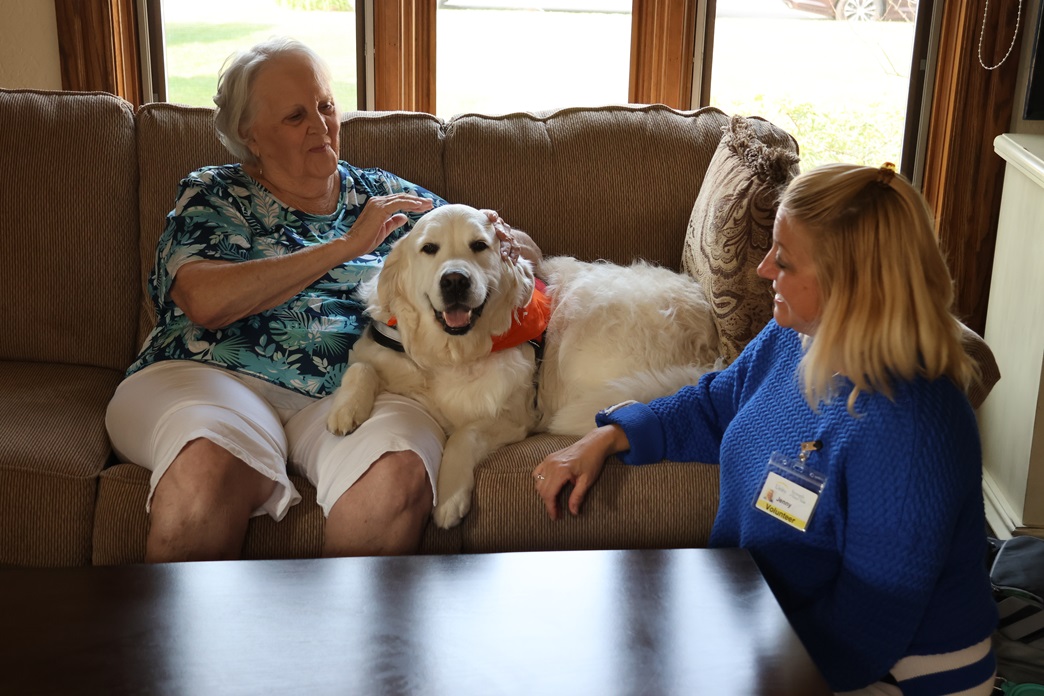
Our pet therapy visits are conducted by generous local volunteers who partner with their certified therapy dogs. These are not just well-behaved family pets; these dogs have undergone rigorous behavioral testing and training through recognized national organizations—such as Therapy Dogs International (TDI), Alliance of Therapy Dogs (ATD), or Pet Partners.
These certifications ensure that the dogs:
- Are entirely comfortable around wheelchairs, hospital beds, and loud medical equipment like oxygen concentrators.
- Have a calm, gentle temperament, never jumping or barking unexpectedly.
- Are meticulously groomed and vaccinated, adhering to the highest infection-control standards required in healthcare settings.
Bringing the Therapy to the Patient
Because Unity Hospice is committed to meeting patients wherever they call home, our volunteer therapy dog teams travel throughout our 14-county service area in Northeast Wisconsin. Whether the patient is receiving Hospice Care in their private residence in Manitowoc, an assisted living facility in Kewaunee, or a skilled nursing facility in Outagamie County, our teams coordinate to bring this specialized comfort directly to their bedside.
4. The Jack and Engrid Meng Hospice Residence: A Pet-Friendly Sanctuary
There are times when a patient's symptoms become too complex to manage at home, or when a family caregiver requires a 5-day respite stay. For these moments, Unity Hospice operates the Jack and Engrid Meng Hospice Residence in De Pere, Wisconsin, the region’s only inpatient hospice facility offering around-the-clock nursing care.
One of the greatest fears families have when transitioning to an inpatient facility is the sterile, restrictive environment of a traditional hospital. The Meng Residence was designed specifically to feel like a home, and an essential part of any home is the presence of animals.
Certified Dog Visits at the Residence
Volunteer therapy dog teams frequently visit the Jack and Engrid Meng Hospice Residence. They walk the quiet, sunlit halls, stopping into the private rooms of patients who have requested a visit. The dogs provide a sense of normalcy and warmth, transforming a clinical stay into a deeply compassionate experience.
Welcoming the Patient's Own Family Pets
Perhaps even more importantly, Unity Hospice understands the agonizing anxiety patients feel about being separated from their own pets. For many older adults, their dog or cat is their closest companion.
At the Jack and Engrid Meng Hospice Residence, we welcome visits from the patient’s own family pets. As long as the family pet is clean, up-to-date on vaccinations, and safely managed by a visiting family member, they are encouraged to come into the patient’s private room. We have witnessed countless beautiful moments where a patient's own dog curls up at the foot of their hospice bed, bringing an unparalleled sense of peace and closure that no medication could ever replicate.
5. Peace of Mind: Planning for a Pet’s Future
A significant, yet often overlooked, source of distress for a terminally ill patient is the question: "What will happen to my pet when I am gone?" This anxiety can cause severe emotional unrest, preventing the patient from finding peace in their final weeks.
Part of the Interdisciplinary Care model at Unity involves our specialized medical Social Workers. They do not just address the logistical needs of the patient; they address the holistic anxieties of the entire family unit.
If a patient in Northeast Wisconsin lives alone and is concerned about the future of their beloved dog or cat, our Social Workers can assist in facilitating conversations with extended family members, local Green Bay animal rescues, or foster networks. By ensuring a solid, loving plan is in place for their animal companion, Unity helps remove a massive burden of worry from the patient's shoulders.
6. How to Become a Pet Therapy Volunteer in Northeast Wisconsin
The demand for pet therapy in hospice care is consistently high, and Unity Hospice is always looking to expand our network of compassionate volunteer teams. If you live in Northeast Wisconsin and have a certified therapy dog, this is one of the most rewarding ways you can give back to your community.
What Makes a Good Therapy Dog?
Not every good dog is cut out for hospice therapy work. The ideal hospice therapy dog:
- Is highly intuitive and naturally seeks out human interaction.
- Remains calm and unbothered by unpredictable movements, loud noises, or unfamiliar scents.
- Can sit quietly for long periods of time, often just resting their chin on a bed.
- Has an owner (handler) who is empathetic, emotionally resilient, and comfortable conversing with individuals facing terminal illnesses.
The Volunteer Process
If your dog is already certified through a recognized therapy organization (like ATD or Pet Partners), the process to join Unity is straightforward. You will undergo Unity’s comprehensive volunteer orientation, which equips you with the knowledge to safely and compassionately navigate end-of-life environments, understand patient confidentiality (HIPAA), and recognize the signs of grief.
If you and your canine companion are ready to bring light into the lives of those facing the end of life, we encourage you to explore our Volunteer Opportunities to learn how to apply.
Frequently Asked Questions
To ensure our local Northeast Wisconsin community has the clearest, most direct answers regarding pet therapy and animal policies at Unity Hospice, we have compiled this FAQ section based on the most common inquiries we receive.
Does it cost extra to have a therapy dog visit a hospice patient?
- All pet therapy visits provided by Unity Hospice are conducted by our dedicated volunteer network. There is absolutely no charge to the patient, the family, or their insurance for these visits. It is simply part of our commitment to holistic comfort care.
- When Hospice Care is provided in a patient's private residence, their pets remain in the home with them. In fact, our nursing and aide staff love seeing the family pets! The only requirement is that the animal does not interfere with the safe delivery of medical care and that a family caregiver is present to manage the pet's feeding and bathroom needs, as the hospice staff cannot provide pet care.
- We know that pets are family. Personal pets (dogs and cats) are allowed to visit their owners at the Meng Residence. We ask that the family coordinate with the facility staff beforehand, ensure the pet is clean, leashed or carried, up-to-date on vaccines, and that a designated family member is fully responsible for the pet during the visit.
Can my loved one’s personal dog or cat live with them while receiving home hospice care?
Are personal pets allowed to visit the Jack and Engrid Meng Hospice Residence in De Pere?
What kind of animals are used for pet therapy at Unity?
Currently, our volunteer pet therapy program exclusively utilizes certified therapy dogs. Dogs are uniquely suited for the varied and sometimes unpredictable environments of home care, assisted living facilities, and the hospice residence, due to their rigorous certification and training protocols.
How do we request a pet therapy visit?
If your loved one is currently a patient with Unity Hospice and would benefit from a visit, simply mention it to your Unity Registered Nurse (RN) or Social Worker during their next visit. They will contact the Volunteer Coordinator to match your loved one with an available therapy dog team in your specific county.
A Paw Print on the Heart
As we navigate the incredibly complex journey of the end of life, it is often the simplest comforts that leave the most lasting impact. A cold nose, a warm presence, and the non-judgmental gaze of a therapy dog can break through the isolation of illness, offering a moment of pure, unadulterated peace.
In Northeast Wisconsin, the bond between humans and animals is a reflection of our community's broader values: loyalty, comfort, and showing up for one another in times of need. By incorporating pet therapy into our comprehensive care model, Unity Hospice ensures that every patient has the opportunity to experience this unique, silent comfort when they need it most.
Whether it is arranging for a volunteer golden retriever to visit an assisted living room in Appleton, or helping a patient in De Pere hold their own beloved cat one last time, we are committed to honoring the whole person, and the animals they love.
If you are exploring end-of-life care options for a loved one in Northeast Wisconsin and want to learn more about our holistic approach, including pet therapy, Contact Unity Hospice today at (920) 338-1111. Let us help you bring profound comfort home.