

The Comprehensive Guide to Caring for a Terminally Ill Loved One at Home in Northeast Wisconsin
The decision to care for a terminally ill loved one at home is one of the most profound, courageous, and deeply compassionate acts of devotion a person can undertake. It is a journey marked by a complex tapestry of emotions with deep love, anticipatory grief, moments of quiet connection, and inevitably periods of stress and uncertainty. In Northeast Wisconsin, from the bustling neighborhoods of Green Bay and the historic streets of De Pere to the serene, sprawling farmsteads of Shawano and the shoreline bluffs of Door County, an increasing number of families are choosing the sanctuary of home for their loved ones' final chapters.
As the pioneer of hospice and palliative care in Wisconsin and having served as the very first hospice in Wisconsin and the third in the nation, Unity Hospice has spent nearly 50 years walking alongside families during these deeply personal times. We understand that while the "home" provides an unparalleled sanctuary of familiarity and warmth, transforming it into a space for end-of-life care can bring a unique set of logistical, physical, and emotional challenges for the family caregiver.
This comprehensive guide is designed to serve as your roadmap. It provides the medical expertise, local resources, vital statistics, and emotional support strategies you need to provide dignified, high-quality care at home in Northeast Wisconsin.
1. The Shifting Landscape: Hospice Care in Wisconsin and Beyond
To understand the importance of home-based end-of-life care, it is helpful to look at the broader picture. The landscape of how we approach terminal illness has shifted dramatically over the last few decades, moving away from institutionalized, clinical settings toward comfort-focused, holistic care in the home.
National and State Hospice Statistics
The desire to age and pass away in place is a nearly universal sentiment. Surveys consistently show that over 80% of Americans would prefer to spend their final days at home if given the choice.
- High Utilization in Wisconsin: According to the latest data from the Research Institute for Home Care and federal Medicare reports, approximately 58.5% of Medicare decedents in Wisconsin utilize hospice services. This high utilization rate ranks Wisconsin among the top states in the nation for access to and acceptance of end-of-life care.
- The Shift in Diagnoses: Decades ago, hospice was primarily associated with cancer. Today, according to the 2025 Facts and Figures report by the National Alliance for Care at Home, over 77% of hospice stays nationwide are for patients with non-cancer diagnoses. The leading conditions requiring hospice care are now circulatory and neurovascular diseases, such as congestive heart failure (CHF) and advanced dementias.
- The Nonprofit Advantage: As a community-based, nonprofit 501(c)(3) organization, Unity Hospice reinvests its resources directly back into patient care. Studies published in health policy journals consistently show that nonprofit hospices tend to provide more direct nursing visits, higher staffing ratios, and a wider array of bereavement services than their for-profit counterparts.
The Northeast Wisconsin Context
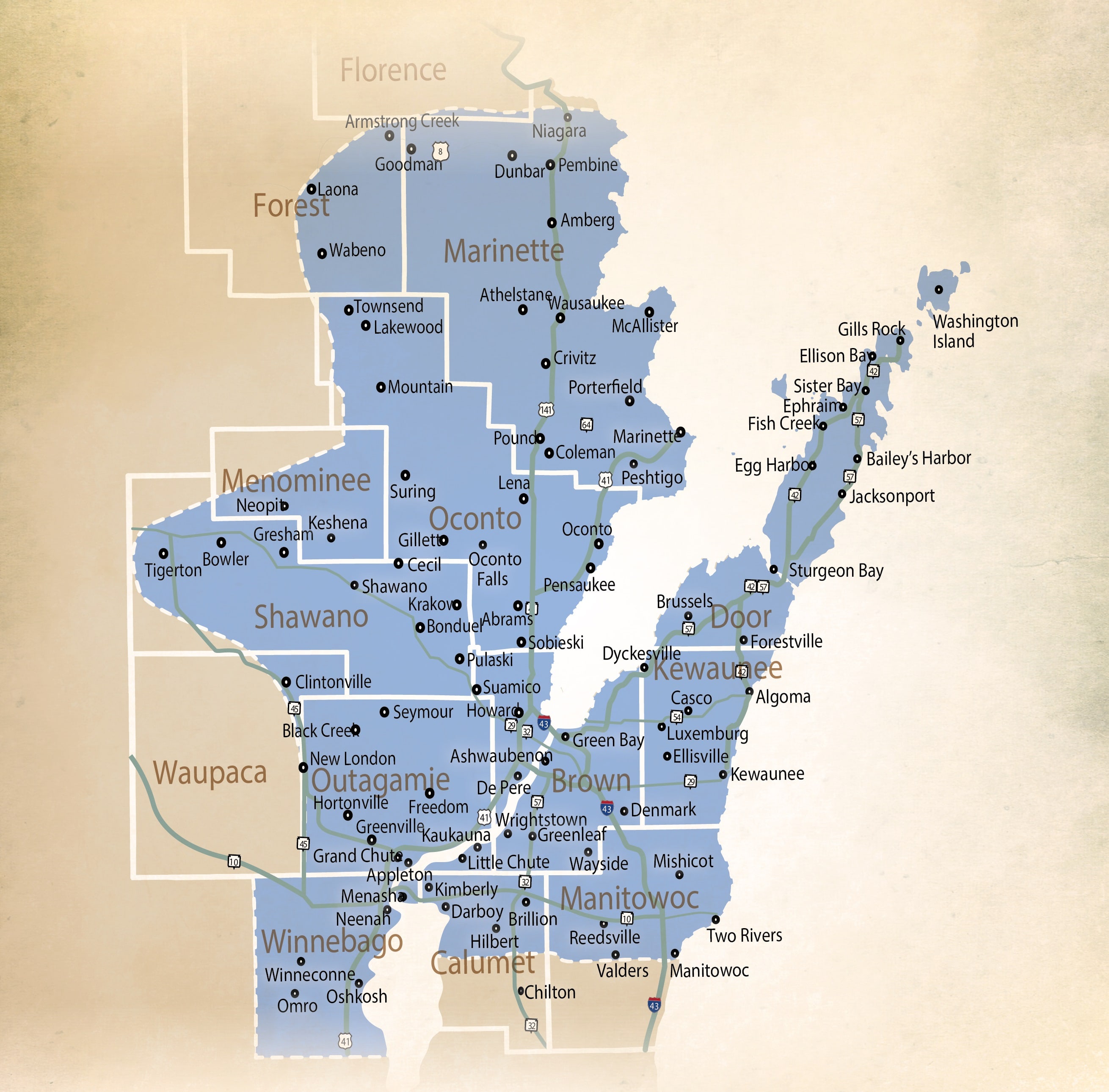
In our specific 13-county service area which includes Brown, Door, Kewaunee, Manitowoc, Marinette, Oconto, Outagamie, Shawano, Waupaca, and Winnebago counties, the aging population is growing. Many of our rural communities face unique healthcare access challenges. Unity Hospice bridges this gap by bringing the "hospital-level" comfort care directly to the patient's doorstep, whether they reside in a downtown Green Bay apartment or an isolated homestead in northern Marinette County.
2. Transforming the Environment: Preparing Your Home for Care
When you bring a loved one home for hospice, the physical environment must undergo a transition. It must evolve from a standard living space into a functional, safe, and deeply comforting "Care Zone." Unity Hospice provides the necessary medical equipment, but the spatial arrangement and emotional atmosphere are up to the family.
Prioritizing Safety and Accessibility
Wisconsin homes vary wildly in architecture, from historic multi-story Victorians in Appleton to ranch-style homes in Sturgeon Bay.
- The Main Floor Solution: If your loved one's bedroom is on the second floor, strongly consider moving their primary living space to the first floor. This not only keeps them at the center of household activity, preventing feelings of isolation but it also eliminates the physical danger of stairs for both the patient and the caregiver.
- Clearing the Path: Mobility will likely decrease as the illness progresses. Remove all scatter rugs, tape down electrical cords, and clear out unnecessary clutter. This is vital for preventing trips and falls, and it allows the Unity Hospice clinical team to move essential equipment, like wheelchairs and oxygen concentrators, easily.
- Navigating Wisconsin Winters: For home care in our region, winter accessibility is a genuine medical necessity. Ensure that driveways and walkways are consistently cleared of snow and ice so that our nurses, aides, and delivery teams can reach your loved one safely, day or night.
Medical Equipment and the "Sensory" Experience
Through the Medicare Hospice Benefit, Unity Hospice provides all necessary medical equipment at no out-of-pocket cost to the family. This typically includes a hospital bed, over-bed tables, oxygen delivery systems, commodes, and specialized pressure-relieving mattresses.
However, a hospital bed does not have to feel like a hospital. The sensory experience of the room is crucial for the patient's emotional well-being:
- Lighting: Utilize soft, adjustable lighting. For patients with dementia, bright, indirect lighting during the day can help maintain circadian rhythms, while dim lighting in the evening can reduce the agitation commonly known as "sundowning."
- Familiarity: Surround the bed with cherished family photos, favorite blankets, and meaningful objects.
- Sound and Smell: Play their favorite music softly in the background. Open a window on a mild Wisconsin afternoon to let in the fresh air, or use gentle aromatherapy (like lavender or vanilla) to mask clinical odors and promote relaxation.
3. Mastering Symptom Management: The Clinical Reality of Home Care
One of the most intimidating aspects of caring for a terminally ill loved one at home is the fear of poorly managed symptoms. Caregivers often worry, "What if they are in pain and I don't know how to stop it?" When you partner with Unity, you are never alone in managing these clinical realities. We operate on an Interdisciplinary Group (IDG) model, which is the gold standard for comprehensive end-of-life care.
The Unity Interdisciplinary Team
Unity’s local care teams, coupled with our partnership with area pharmacies and agencies enable us to ensure prompt pain and symptom control as well emotional and spiritual support to patients and families. Your Unity home care team travels to you and includes:
- Registered Nurses (RNs): These are the case managers who assess physical symptoms, adjust medications, and provide vital education to the family caregiver.
- Hospice Aides: Certified nursing assistants who visit to help with the intimate "Activities of Daily Living" (ADLs), such as bathing, dressing, and oral care, always maintaining the patient's dignity.
- Social Workers: Professionals who assist with the emotional complexities, family dynamics, and practical matters like advance directives and funeral planning.
- Spiritual Care Chaplains: Providing non-denominational "soul care," helping patients and families navigate existential questions, guilt, or fear, regardless of their religious affiliation.
Managing Pain, Breathing, and Agitation
Your Unity RN will work closely with our full-time, board-certified Hospice and Palliative Care Medical Physicans to create a customized symptom management plan.
- The Comfort Kit (E-Kit): Every home hospice patient receives a specialized kit of emergency medications. This kit is kept in the refrigerator or a safe cabinet and contains medications specifically designed to rapidly treat the four most common end-of-life symptoms: severe pain, sudden shortness of breath (dyspnea), extreme anxiety or terminal restlessness, and excessive respiratory secretions.
- 24/7/365 Local Triage: If a symptom escalates at 2:00 AM on a Sunday, you do not need to call 911 or rush to an emergency room. You simply call Unity’s local triage line. You will speak immediately to a Northeast Wisconsin-based hospice nurse who will guide you through using the Comfort Kit and, if necessary, dispatch a nurse to your home immediately.
Understanding Changes in Nutrition and Hydration
Perhaps the most difficult physical change for families to accept is the patient's loss of appetite. In our culture, feeding someone is a primary way we show love. It is a natural, normal part of the dying process for the body to stop needing food and water. As the body's systems slow down, it can no longer digest food properly. Forcing a terminally ill patient to eat or drink can actually cause severe discomfort, bloating, and an increased risk of aspiration (choking). Instead, our teams will teach you "pleasure feeding", offering tiny tastes of favorite treats, like a small spoonful of frozen custard, or simply keeping their mouth and lips moist with specialized swabs and balms.
4. The Emotional Landscape: Anticipatory Grief and Family Dynamics
Caring for a dying loved one is an emotional crucible. The psychological toll on the caregiver and the extended family requires just as much attention as the physical care of the patient.
Navigating Anticipatory Grief
Grief does not begin at the moment of death; it begins the moment a terminal diagnosis is realized. This is known as anticipatory grief. You are mourning the loss of the future you had planned, the gradual loss of your loved one's abilities, and the changing dynamics of your relationship. It is entirely normal for caregivers to experience intense waves of anger, profound sadness, guilt (feeling like you aren't doing enough), and even relief (wishing for the struggle to be over), often all in the same day. Acknowledging these feelings without judgment is a critical first step in emotional survival.
Talking to Children and Grandchildren
In family-centric Northeast Wisconsin, deciding how to involve children and grandchildren in home hospice care is a common concern. Children are incredibly perceptive. Shielding them entirely from the reality of the situation often causes more anxiety because their imaginations will fill in the gaps. Unity Social Workers specialize in helping families have age-appropriate conversations with children about death. We encourage allowing children to be present in the home, to read a book to their grandparent, or to draw pictures for their room, helping them understand that dying is a natural part of the life cycle.
Leaving a Legacy
End-of-life care is also an opportunity for life review. Encourage your loved one to share their stories. You might use a smartphone to record them talking about their childhood in rural Wisconsin, how they met their spouse, or what life lessons they want to pass down. These legacy projects provide immense emotional comfort to the patient, validating the importance of their life, and leave a priceless treasure for the family.
5. Supporting the Wisconsin Caregiver: Preventing Compassion Fatigue
You cannot pour from an empty cup. As a family caregiver, your health and well-being are intrinsically linked to the quality of care your loved one receives. Yet, the demands are higher than ever. According to the AARP’s 2025 'Caregiving in the U.S.' report, 63 million Americans are now serving as unpaid family caregivers. The emotional toll is staggering: a 2026 survey revealed that 78% of family caregivers experience burnout, with 87% reporting significant stress and anxiety related to their caregiving duties.
Recognizing the Signs of Burnout
Signs that you are reaching your limit include chronic exhaustion, a weakened immune system, persistent irritability with other family members, withdrawal from friends, and changes in your own eating or sleeping habits.
Strategies for Caregiver Survival
- Accept Help Unapologetically: When neighbors from your church, your local community group, or extended family members offer to help, give them a specific task. Let them mow the lawn, drop off a casserole, or sit with your loved one for an hour while you take a shower or go for a walk.
- Educate Yourself: Fear of the unknown is a massive driver of caregiver stress. Ask your Unity RN questions. Have them physically show you how to safely turn your loved one in bed to prevent skin breakdown, or how to administer sublingual medication. Confidence reduces anxiety.
- Utilize Respite Care: Through the Medicare Hospice Benefit, Unity Hospice offers a benefit known as Respite Care. If you are exhausted, ill, or simply need to attend a family event like a graduation or wedding, your loved one can be temporarily transferred to a contracted inpatient facility or our own specialized residence for up to five days.
The Jack and Engrid Meng Hospice Residence
For families in our service area, Unity is proud to offer the Jack and Engrid Meng Hospice Residence located in De Pere. Set on a serene, wooded campus, this state-of-the-art facility provides a home-like environment with 24/7 expert medical care. It is frequently utilized for short-term Respite Care, or for General Inpatient Care when symptoms become too complex to manage at home.
6. Financial Clarity: Demystifying the Cost of Hospice
A prevalent and deeply concerning myth is that hospice care is an expensive luxury. One of the first questions distressed families ask is, "How are we going to afford this?"
The reassuring truth is that for the vast majority of patients, hospice care is provided at absolutely no cost to the family.
The Medicare Hospice Benefit
If your loved one is over 65 and has Medicare Part A, the Medicare Hospice Benefit covers 100% of the cost of care related to the terminal diagnosis. This comprehensive coverage includes:
- All visits from the Interdisciplinary Team (nurses, aides, social workers, chaplains).
- All medical equipment delivered to the home (hospital beds, oxygen, wheelchairs).
- All medical supplies (incontinence briefs, wound care dressings, wipes, bed pads).
- All prescription medications related to managing the symptoms of the terminal illness and ensuring comfort.
Medicaid and Private Insurance
For patients under 65 or those who qualify, Wisconsin Medicaid (ForwardHealth) offers a hospice benefit that mirrors Medicare, covering 100% of the costs. Additionally, most commercial private insurance plans (such as those through local employers) have a dedicated hospice benefit.
The Unity Nonprofit Promise
What happens if a patient is uninsured, underinsured, or facing financial hardship? This is where Unity's status as a local, nonprofit community organization becomes vital. Unity Hospice will never deny care to anyone in our 13-county service area based on an inability to pay. Supported by generous community donations and memorial gifts, our charitable CommUnity care program ensures that every resident of Northeast Wisconsin receives the dignity and comfort they deserve at the end of life.
7. Specialized Support Programs at Unity Hospice
Every patient's life experience is unique, and their end-of-life care should reflect that. Unity Hospice offers specialized programming to meet the distinct needs of our community members.
The Respecting Valor Veteran Program
Wisconsin has a proud, deep-rooted tradition of military service. We recognize that Veterans often have unique physical, emotional, and psychological needs at the end of life, sometimes stemming from combat experiences, PTSD, or exposure to hazardous materials. Through our Respecting Valor Program, Unity provides specialized care tailored to Veterans. This includes matching Veteran patients with Veteran volunteers who share a common bond and language, assisting families in navigating VA benefits, and conducting dignified pinning ceremonies in the home to honor their service and sacrifice.
Bereavement and the Unity Grief and Education Center
Unity's commitment to your family does not end when your loved one passes away. Grief is a journey that requires time and support. We offer the region's only freestanding facility dedicated entirely to bereavement: the Unity Grief and Education Center. Located in De Pere but serving our entire geographical footprint, the Center provides individual counseling, specialized support groups (including groups for loss of a spouse, loss of a child, and expressive arts for grieving children), and educational workshops, all completely free of charge to the public, regardless of whether their loved one utilized Unity’s hospice services.
Frequently Asked Questions
To ensure caregivers have immediate access to the answers they need, we have compiled the most frequently asked questions from families in Northeast Wisconsin.
How do we know when it is the "right time" to call hospice?
Hospice care is appropriate when a physician determines that a patient has a life-limiting illness with a prognosis of six months or less, assuming the disease runs its normal course, and the patient has chosen to focus on comfort rather than curative treatments. However, families often wait too long to call. Reaching out to Unity Hospice months, rather than days, before the end of life allows our team to proactively manage pain, build a trusting relationship, and significantly improve the quality of the time remaining. You do not need a doctor's referral to make an initial inquiry; you can contact Unity directly for an informational visit.
Does starting hospice mean we are "giving up" hope?
Absolutely not. Choosing hospice is not surrendering; it is redefining hope. Instead of hoping for a cure that may no longer be medically possible, hope shifts to achieving the best possible quality of life. Hope becomes about being free from pain, avoiding stressful and exhausting trips to the emergency room, and having the energy to spend meaningful time with family and friends in the comfort of home.
Can we keep our own primary care doctor?
Yes. Your loved one's primary care physician or specialist (whether they are affiliated with Bellin Health, Prevea, ThedaCare, Aurora, or an independent clinic) can remain the attending physician. Unity’s Medical Directors and RNs will work collaboratively with your chosen doctor to ensure seamless, coordinated care.
What exact areas in Wisconsin does Unity serve?
Unity Hospice provides comprehensive in-home care across 14 counties in Northeast Wisconsin. Our service area covers Brown, Door, Kewaunee, Manitowoc, Marinette, Oconto, Outagamie, Shawano, Waupaca, and Winnebago counties, as well as portions of Calumet, Langlade, Forest, and Menominee counties. Whether you live in the heart of Appleton or on a rural road in Kewaunee, our team comes to you.
What if my loved one lives in an assisted living facility or nursing home?
"Home" is wherever the patient lays their head. Unity provides the exact same high-quality hospice care, including nurse visits, aides, social workers, and chaplains, to patients living in assisted living facilities, memory care units, and skilled nursing facilities throughout our service area. We work in partnership with facility staff to provide an extra layer of specialized end-of-life support.
You Are Not Walking This Path Alone
Caring for a terminally ill loved one at home is an extraordinary undertaking. It is a journey of a thousand small moments, some heartbreaking, many incredibly beautiful, and all of them deeply significant. It requires immense strength, boundless patience, and a willingness to step into the unknown.
But the most important thing to remember is that you do not have to walk this path alone. By partnering with Unity, you are inviting decades of medical expertise, compassionate support, and local Northeast Wisconsin roots into your home. You are ensuring that your loved one’s final months, weeks, and days are defined not by fear or clinical crises, but by comfort, dignity, and peace.
If you are navigating the complexities of a life-limiting illness with a family member and need guidance, support, or simply someone to listen, we are here for you, 24 hours a day, 7 days a week.
Contact Unity Hospice today at (920) 338-1111 to speak with a local care coordinator, or visit our website to schedule a free, no-obligation informational consultation in your home. Let us help you bring comfort home.