

The Ultimate Guide to Self-Care for Full-Time Family Caregivers in Northeast Wisconsin
Being a full-time family caregiver is one of the most profound acts of love, devotion, and sacrifice a person can undertake. In Northeast Wisconsin, from the bustling, community-centric neighborhoods of Green Bay, De Pere, Appleton, Oshkosh to the serene, widespread rural properties of Shawano, Marinette, and Door County, thousands of individuals wake up every day to care for a spouse, aging parent, or child with a life-limiting illness.
While caregiving is rooted in deep compassion, it is also undeniably exhausting. The demands are relentless, often requiring 24/7 vigilance, complex medical management, and immense emotional fortitude. If you are reading this, you might be running on fumes. You might be feeling the crushing weight of "caregiver burnout."
At Unity Hospice, the pioneer of hospice care in Wisconsin, we have spent over 45 years walking alongside families. We have seen firsthand that a caregiver's health is the foundation of the patient's well-being. There is a profound truth in the old adage: You cannot pour from an empty cup. This comprehensive, 2026 guide is designed specifically for full-time family caregivers in Northeast Wisconsin. It combines the latest national research, actionable self-care strategies, and localized resources to help you replenish your physical and emotional reserves. It is time to care for yourself with the same grace and dedication you offer your loved one.
1. The Realities of Caregiving: You Are Not Alone
Before diving into self-care strategies, it is crucial to validate the sheer magnitude of what you are doing. Caregivers often work in the shadows, feeling invisible to the outside world. If you feel overwhelmed, it is not because you are weak; it is because the job you are doing is monumental.
The National Picture: 2025/2026 Caregiving Statistics
The landscape of family caregiving in the United States is staggering. According to the highly respected AARP and National Alliance for Caregiving (NAC) 2025 "Caregiving in the U.S." report, there are currently over 63 million unpaid family caregivers across the country.
- The Stress Toll: Recent 2026 surveys reveal that an overwhelming 78% of family caregivers experience burnout, with 87% reporting significant stress and anxiety.
- The Physical Impact: Over 1 in 5 caregivers report that their own physical health has degraded from "excellent" or "good" to "fair" or "poor" since taking on their caregiving role.
Local Insights: Caregiving in Wisconsin
In the state of Wisconsin, the Department of Health Services estimates that there are around 580,000 family caregivers providing hundreds of millions of hours of unpaid care annually. In Northeast Wisconsin specifically, our unique geography presents distinct challenges.
Caregivers in rural areas like Oconto or Kewaunee counties often face geographical isolation. When a Wisconsin winter sets in, that isolation can compound, making it difficult to access support networks, groceries, or a simple change of scenery. Understanding these local and national realities is the first step in recognizing why intentional self-care is not a luxury, it is a medical necessity.
2. Recognizing the Silent Epidemic: Caregiver Burnout
Caregiver burnout is a state of physical, emotional, and mental exhaustion. It happens when you dedicate so much of your energy to caring for someone else that you entirely neglect your own needs. Because the decline is often gradual, caregivers are usually the last ones to recognize the symptoms in themselves.
Physical Symptoms of Burnout
Your body keeps the score. When you are under chronic stress, your body constantly pumps out cortisol and adrenaline. Over time, this leads to:
- Chronic Fatigue and Insomnia: Being exhausted all day but unable to sleep at night because your brain will not turn off. You may constantly listen for your loved one calling out or the beep of a medical machine.
- Weakened Immune System: Finding yourself catching every cold that goes around Green Bay, or taking weeks to recover from a minor illness.
- Changes in Weight and Appetite: Forgetting to eat, relying on quick, unhealthy processed foods, or emotional overeating.
- Unexplained Aches and Pains: Tension headaches, lower back pain from lifting or moving your loved one, and gastrointestinal distress.
Emotional and Psychological Symptoms
The psychological toll is often heavier than the physical lifting.
- Compassion Fatigue: Feeling numb or struggling to summon empathy for the person you are caring for.
- Resentment and Anger: Feeling flashes of anger toward your loved one, your other family members who "aren't helping enough," or even the healthcare system. (Note: Feeling resentment is completely normal and does not make you a bad person.)
- Anxiety and Depression: Constant dread about the future, an inability to enjoy activities you once loved, and a pervasive sense of hopelessness.
- Severe Isolation: Withdrawing from friends, declining phone calls, and feeling like no one in your community understands your daily reality.
If you recognize more than two or three of these symptoms in yourself, you are in the danger zone of caregiver burnout. It is time to intervene.
3. Essential Self-Care Tips for Full-Time Family Caregivers
Self-care in the context of full-time caregiving does not mean taking a two-week vacation to the Bahamas. That is simply not realistic for most families. Instead, caregiver self-care is about aggressive boundary setting, micro-restorations, and fiercely protecting your basic human needs.
Tip 1: Protect Your Baseline Needs (Sleep, Hydration, Nutrition)
You cannot navigate the complex medical needs of a terminal illness if your brain is starved of sleep and nutrients.
- The Hydration Rule: Dehydration mimics dementia and exhaustion. Keep a large water bottle with you as you move around the house.
- Sleep Hygiene: If your loved one's sleep schedule is erratic (common in advanced Alzheimer's or dementia), you must sleep when they sleep. Do not use their nap time to do laundry or clean the house. Use it to rest. If nighttime waking is severe, you may need to speak to your Unity Hospice Care Team about adjusting the patient’s evening medications to promote better rest for both of you.
- Nutrition: Rely on your local community. If friends in De Pere or Appleton ask how they can help, tell them you need pre-chopped vegetables, slow-cooker meals, or high-protein snacks.
Tip 2: Implement "Micro-Breaks" (The 15-Minute Rule)
When a weekend away is impossible, you must master the "micro-break." The human brain needs periods of decompression to regulate the nervous system.
- Find 15 minutes of uninterrupted time each day.
- Step outside. In Northeast Wisconsin, we have the benefit of incredible natural beauty. Step onto your porch in Door County, feel the breeze off Lake Michigan or the Fox River, and practice deep, diaphragmatic breathing.
- During this 15 minutes, you are not allowed to think about medications, doctors' appointments, or insurance calls. Listen to a podcast, read a chapter of a book, or simply sit in silence.
Tip 3: Learn to Delegate and Say "Yes" to Help
Caregivers often suffer from a "hero complex", the belief that only they can care for their loved one properly. While your care is exceptional, insisting on doing everything yourself will lead to your collapse.
- Keep a Running List: Write down a list of tangible tasks on your refrigerator. This could be: mowing the lawn, picking up a prescription at the local Green Bay pharmacy, taking the dog for a walk, or vacuuming the living room.
- The Script for Saying Yes: When a neighbor from your church or community center says, "Let me know if you need anything," do not say, "We are fine, thank you." Instead, say, "Actually, it would be a huge help if you could do [Task from the List]." People genuinely want to help; they just need specific direction.
Tip 4: Maintain Your Own Healthcare Identity
It is a tragic irony that caregivers often cancel their own medical appointments to attend to their loved one's healthcare needs.
- Do Not Skip Your Checkups: Keep your own primary care physician appointments, dental cleanings, and mammograms.
- Be Honest with Your Doctor: When you do go to the doctor, tell them explicitly: "I am a full-time caregiver for a terminally ill family member." This context is vital for your doctor to accurately assess your blood pressure, weight changes, and mental health.
Tip 5: Process Your Anticipatory Grief
Much of the exhaustion you feel is actually unprocessed grief. Watching a loved one decline causes Anticipatory Grief, mourning a loss before it fully happens. Do not bottle this up. Journaling for just five minutes a day can help move these complex emotions out of your body. Acknowledge your sadness, your fears, and your anger. By naming these emotions, you strip them of their power to overwhelm you.
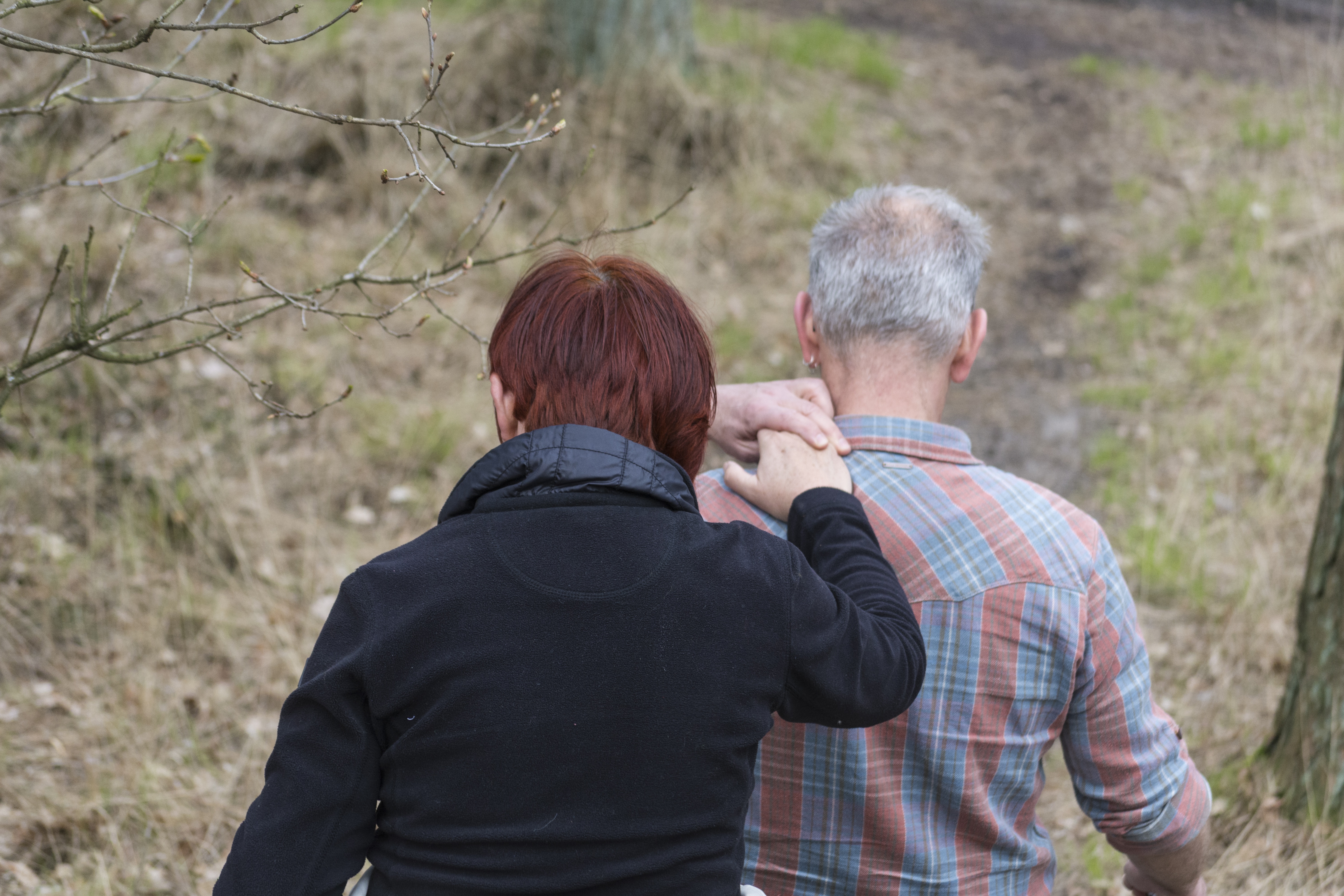
Image by Sabine van Erp from Pixabay
4. Leveraging the Power of Unity Hospice: You Do Not Have to Do This Alone
If your loved one has a life-limiting illness with a prognosis of six months or less, the most profound act of self-care you can take is to ask for professional help. Choosing Hospice does not mean giving up; it means choosing to expand your support network.
As a nonprofit organization serving 14 counties in Northeast Wisconsin, Unity Hospice operates on an Interdisciplinary Team model. When you partner with us, you are not just getting a nurse; you are getting a dedicated team of caregivers to share the load.
The Role of the Hospice Certified Nursing Assistant
One of the most physically exhausting tasks for a family caregiver is assisting with Activities of Daily Living (ADLs), bathing, dressing, and turning the patient. Unity Hospice provides certified nursing assistants to visit the home and perform these intimate tasks. This preserves the patient’s dignity and allows you, the caregiver, to step back from the role of "nurse" and return to the role of spouse, daughter, or son.
Emotional and Spiritual Support
Caregiving can trigger complex family dynamics and profound existential questions. Unity’s licensed Social Workers and Chaplains are available to support the whole family, not just the patient. They can help mediate family disagreements about care, assist with advance directives, and provide a safe, non-judgmental space for you to vent your frustrations.
The Lifeline: Respite Care and the Meng Residence
Perhaps the most underutilized tool in the caregiver's toolkit is Respite Care. Covered under the Medicare Hospice Benefit, respite care allows your loved one to be transferred to a contracted facility or specialized hospice residence for up to five consecutive days
For families in Northeast Wisconsin, Unity Hospice proudly offers the Jack and Engrid Meng Hospice Residence in De Pere.
- What it means for you: Short-term respite care at Unity Meng Hospice Residence or a skilled nursing home for up to five days at a time to provide caregiver relief.
- How to use it: You can use this time to catch up on severe sleep debt, attend a grandchild's graduation in Appleton, thoroughly clean your home, or simply sit in the quiet of an empty house to regulate your nervous system. You return to your caregiving duties refreshed and capable.
5. Building a Robust Support Network: Local Northeast Wisconsin Resources
No single organization can do everything. True resilience in caregiving comes from building a multi-layered support network within your local community. In addition to Unity Hospice, Northeast Wisconsin is rich with organizations designed to support you.
Aging and Disability Resource Centers (ADRC)
Every county in Wisconsin has an ADRC. Whether you are in Brown, Outagamie, Door, or Marinette County, the local ADRC is a treasure trove of logistical support. They can help you navigate Meals on Wheels programs, secure transportation for your loved one, and connect you with localized caregiver grants that might pay for temporary in-home help or home modifications (like installing a wheelchair ramp).
Local Support Groups
Connecting with people who understand your exact daily struggle is incredibly validating.
- Disease-Specific Groups: Look for local Green Bay or Fox Valley chapters of the Alzheimer’s Association, the American Cancer Society, or Parkinson’s support networks.
- The Unity Grief and Education Center: As part of our commitment to the community, Unity Hospice offers extensive support through the Unity Grief and Education Center. While highly focused on bereavement, our counselors deeply understand the anticipatory grief and caregiver trauma that precedes a loss, offering a compassionate ear and connection to local peer groups.
Online Communities and National Resources
If leaving the house to attend a support group in Green Bay is impossible, turn to digital resources. Organizations like the Family Caregiver Alliance (FCA) offer exceptional online forums where you can post questions at 2:00 AM and receive immediate empathy and advice from thousands of other caregivers nationwide.
6. How to Talk to Family About the Burden
One of the greatest sources of caregiver stress is the unequal distribution of labor among family members. Often, one sibling bears 90% of the burden while others live out of state or remain uninvolved. To protect your sanity, you must communicate effectively.
- Call a Family Meeting: Whether in person in Northeast Wisconsin or via Zoom, gather the primary family members.
- Be Direct and Factual: Do not use guilt trips. Instead, say: "Mom's care currently requires 60 hours a week. I am physically and mentally breaking down. We need to restructure this."
- Assign Specific Roles: If a sibling lives in Chicago and cannot provide hands-on care, assign them administrative duties. They can manage the medical bills, call insurance companies, order the groceries for delivery, or pay for a bi-weekly house cleaning service. Everyone must contribute in the currency they possess, time, money, or administrative effort.
Frequently Asked Questions
To ensure this guide provides the most immediate, direct answers to your pressing concerns, we have optimized this section to address the most common questions our Unity Hospice team hears from local caregivers.
What is the difference between home health care and hospice care?
Home health care is typically curative or rehabilitative, aiming to help a patient recover from an illness or injury (like physical therapy after a fall). Hospice care is utilized when the focus shifts from curing the illness to maximizing comfort, pain management, and quality of life during the final months of a terminal diagnosis. Hospice provides a much more comprehensive, wrap-around support system for the caregiver.
Is caregiver burnout a real medical diagnosis?
While "caregiver burnout" is not a specific DSM-5 psychiatric diagnosis on its own, it is a highly recognized clinical syndrome by the medical community. The symptoms of caregiver burnout frequently result in clinical diagnoses of Major Depressive Disorder, Generalized Anxiety Disorder, and chronic stress-related physiological conditions. It is a very real, very dangerous medical reality.
How much does Respite Care cost through Unity Hospice?
If your loved one is enrolled in the Medicare Hospice Benefit, Medicaid, or most major private commercial insurances, Respite Care is covered at 100%. There are generally no out-of-pocket costs for the family to utilize the up-to-five-day stay at an inpatient facility like the Jack and Engrid Meng Hospice Residence, with the exception of the daily room and board fee for a room at the facility. Furthermore, as a nonprofit, Unity offers the CommUnity Care program, ensuring we will never deny care based on an inability to pay
How do I know if I am eligible to receive help from Unity Hospice?
If you are caring for a loved one in our 14-county Northeast Wisconsin service area who has been diagnosed with a life-limiting illness (such as advanced cancer, severe dementia, end-stage heart failure, or COPD), you likely qualify. You do not need to wait for a doctor to suggest it. You can contact Unity directly to request a free, no-obligation informational evaluation at your home.
Are there caregiver support groups specific to Green Bay and De Pere?
Yes. Both Unity Hospice and the Brown County ADRC frequently host and promote caregiver support groups. You can contact the Unity Hospice team directly to inquire about the current schedule of support groups taking place at our Grief and Education Center or other local community partnerships.
Giving Yourself Permission to Rest
To the devoted family caregivers of Northeast Wisconsin: The work you are doing is vital, beautiful, and incredibly hard. You are the invisible backbone of our healthcare system, providing comfort and dignity to those you love most.
But heroism does not require martyrdom. You do not have to break yourself to prove your love. Acknowledging your limits, asking for help, and taking time to rest are not signs of failure; they are the strategic moves required to endure the marathon of caregiving.
Please, give yourself permission to step back. Drink a glass of water. Take a 15-minute walk. And when the burden becomes too heavy for your shoulders alone, reach out to the professionals who are waiting to help carry it.
You do not have to walk this path alone. If you are in Northeast Wisconsin and feel overwhelmed by your caregiving duties, Contact Unity Hospice today at (920) 338-1111. Let our expert care team bring comfort to your loved one, and peace of mind to you.