

7 Common Myths About Hospice Care: Separating Fact from Fiction

Hospice care is often misunderstood as "giving up," but in reality, it is a proactive medical choice for comfort, dignity, and control. Many families delay care due to persistent myths, such as the belief that hospice is only for the final days of life or that it hastens death. At Unity Hospice, we are dedicated to debunking these misconceptions. By understanding that you can keep your own doctor, receive care at home, and that medical costs are 100% covered by Medicare, families in Northeast Wisconsin can access the support they deserve much sooner.
When a doctor first mentions the word "hospice," time seems to stand still. For many families in Northeast Wisconsin, the word brings up a sudden flood of emotions such as fear, confusion, and often, a sense of defeat. You might wonder, “Are we giving up?” or “Is it really the end?”
But here is the truth that we have learned as Wisconsin’s first hospice: Delaying hospice care is the single most common regret families have.
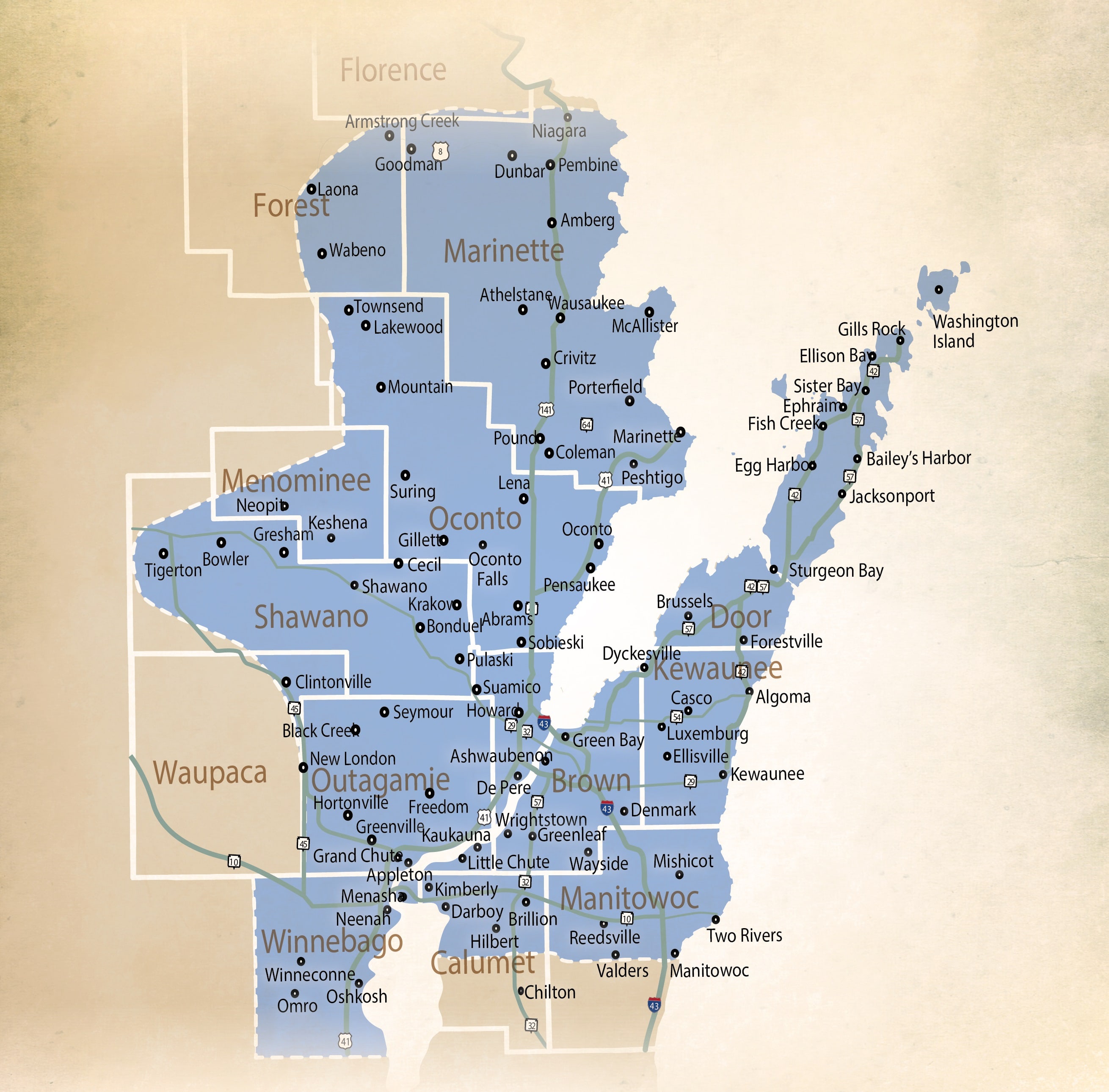
We trace our roots back to 1977, when we opened as the first hospice program in the state (and only the third in the nation). We have served generations of families from Marinette to Oshkosh to Green Bay to Washington Island. We know that myths and misconceptions often get in the way of care.
You might have heard that hospice speeds up death, or that you have to leave your home. These stories, while common, are not just wrong, they are dangerous. They prevent patients from receiving the comfort, dignity, and quality of life they deserve.
At Unity Hospice, we believe knowledge is the antidote to fear. In this comprehensive guide, we are going to answer the 7 most common questions about hospice care, dismantling the myths with national statistics, medical facts, and the reality of what care actually looks like in the communities we serve.
Myth 1: Does Entering Hospice Mean We Are Giving Up Hope?
The Fear: This is the most pervasive myth of all. Many people believe that signing onto hospice is signing a surrender. They think it means you are accepting defeat and that there is “nothing left to be done.”
The Fact: Hospice is not about giving up; it is about redefining hope.
In the traditional medical model, the goal is "cure at all costs." But for patients with life limiting illnesses, the cost of that cure is often exhausted by days spent in hospitals, severe side effects, and isolation from family. When a cure is no longer possible, hope doesn't disappear; it just changes shape.
Hospice helps patients shift their focus toward achievable, meaningful goals. Instead of hoping for a medical miracle that may never come, we help families find:
- Hope for a pain-free day.
- Hope for one last fishing trip in Door County or a visit to Lambeau Field.
- Hope for resolution with estranged family members.
- Hope for dignity and control over their own schedule.
- Hope for quality of life for however many days remain.
The Reality of Active Care Far from "doing nothing," hospice is an active, holistic form of medical care. We are simply aggressive about comfort rather than cure. We treat pain, anxiety, nausea, and shortness of breath with the same intensity that a hospital treats an infection. We treat the whole patient -medically, emotionally, and spiritually.
Expert Insight: According to the American Cancer Society, hospice focuses on the patient's biological, psychological, and spiritual needs. It is "high-touch" care that often involves more frequent contact with medical professionals than standard treatment.
For a deeper understanding of how this mindset shift works, read our article on Why Hospice? Why Now?
Myth 2: Is Hospice Care Only for the Last Few Days of Life?
The Fear: "We aren't ready for that yet. Dad is still walking around." This is the most common reason families in Green Bay delay calling us.
The Fact: Waiting until the final 48 hours is a tragedy because it deprives the patient of months of support.
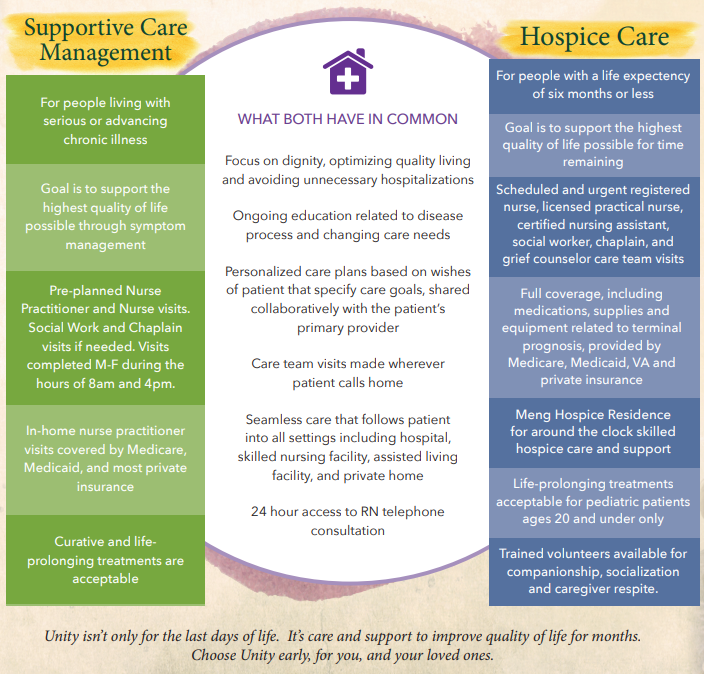
To qualify for the Medicare Hospice Benefit, a patient must have a prognosis of six months or less, not merely days. In fact, the earlier you admit a loved one, the more we can support them.
The "Months, Not Days" Advantage:
- Relationship Building: It takes time to build trust. Our social workers and chaplains need time to learn the patient’s life story to provide truly personalized support.
- Crisis Prevention: We can stabilize symptoms before they become emergencies. This keeps your loved one out of the ER and in the comfort of their own home.
- Family Preparation: We educate the family on what to expect and guide them every step of the way, removing the fear of the unknown. We also provide anticipatory grief support..
The Statistics: According to the National Hospice and Palliative Care Organization (NHPCO), the median length of stay in hospice is often far too short, sometimes less than three weeks. This means many families miss out on the full benefit of the interdisciplinary team. Families who enter hospice months in advance often tell us, "We finally got to be a family again, instead of just caregivers."
Read more about this specific myth here: Myth: Hospice is Only for the Last Days of Life
Myth 3: Does Hospice Speed Up Death? (The Morphine Myth)
The Fear: There is a persistent whisper that hospice nurses administer morphine to "speed things along." This causes unnecessary suffering for patients who are afraid to accept pain relief.
The Fact: Hospice care does not hasten death. In fact, studies show hospice often prolongs life.
A landmark study published in the Journal of Pain and Symptom Management analyzed thousands of terminally ill patients and found that those who chose hospice lived an average of 29 days longer than those who did not.
Why Do Hospice Patients Live Longer?
- Reduced Stress: Pain places immense stress on the heart and body. By relieving pain, we lower blood pressure and heart rate, allowing the body to rest.
- Avoiding Harmful Treatments: Aggressive surgeries and chemotherapy in the final stages of illness can weaken the immune system and cause infections. Hospice focuses on safety and comfort.
- Holistic Support: Emotional and spiritual peace has a tangible effect on physical resilience.
The Truth About Medication Morphine and other opioids are used strictly for symptom management. Our nurses are highly trained experts in titration, starting with tiny doses to relieve "air hunger" (shortness of breath) or pain without sedating the patient. The goal is an alert, pain-free patient who can fully interact with their family to enjoy meaningful moments and make happy memories for loved ones.
We tackle this topic in depth in our article: The Myths of Morphine in Hospice Care
Myth 4: Do Patients Have to Leave Home to Receive Hospice?
The Fear: "I promised Mom I wouldn't put her in a home." Many families confuse "hospice" with a nursing home, assisted living hospice, or hospital.
The Fact: Hospice is a service (a philosophy of care), not a building. You don’t “go” to hospice; hospice care comes to you..
According to national data, over 98% of hospice care days are provided in the patient's private residence, nursing home, or assisted living facility. At Unity Hospice Green Bay, we bring the "hospital" to your living room. We coordinate the delivery of all necessary medications and medical equipment directly to your door in De Pere, Shawano, or wherever you call home, including::
- Medications for pain, anxiety, depression, shortness of breath, and more
- Hospital beds
- Oxygen concentrators
- Wheelchairs and walkers
- Incontinence supplies
Exceptions: Unity’s Jack and Engrid Meng Hospice Residence is the region’s first inpatient facility located in De Pere that provides a homelike, support environment with around the clock end of life care. The facility is for patients needing around the clock care for complex symptoms and pain management, to provide temporary caregiver relief to family members. Unlike a hospital, this residence features private suites, family gathering spaces, and patio access, all backed by 24/7 skilled nursing. But for the vast majority of our patients, their living room is their hospice suite.
Learn what home visits actually look like: Hospice in Home Care: A Nurse’s Perspective
Myth 5: Can I Keep My Personal Doctor While on Hospice?
The Fear: Families worry that entering hospice means severing ties with the physician who has treated them for decades and being handed over to "strangers."
The Fact: You do not lose your personal doctor.
Under the Medicare Hospice Benefit rules, your personal physician (often called the "Attending Physician") remains a key part of the care team.
- They continue to bill Medicare for their visits.
- They collaborate with the Unity Hospice Medical Director to approve your plan of care.
- They are kept in the loop on every major change in condition.
Think of your personal doctor as the "Captain" of the ship and the Unity Hospice team as the "Special Forces" unit brought in to navigate the specific terrain of end-of-life care. We work together to ensure seamless continuity.
Myth 6: Can You Revoke Hospice Care Once You Sign Up?
The Fear: "What if he gets better? What if a new cure is discovered next month? Are we locked into receiving hospice care?"
The Fact: Hospice is 100% voluntary. You can revoke your hospice election at any time.
If a patient wants to return to curative treatment, for example, to try a newly approved experimental drug or to undergo surgery for a non-terminal condition (like a broken hip), they simply sign a paper to stop hospice care. If the treatment doesn't work, they can re-enroll in hospice later without penalty.
The "Revocation" Right: According to Medicare.gov, a patient has the right to stop hospice care at any moment to resume curative treatment.
- Scenario: A patient with kidney failure hears about a new experimental trial. They can sign a paper to revoke hospice, go try the treatment, and if it doesn't work, re-enroll in hospice later.
The "Hospice Graduation" Reality Sometimes, hospice patients drastically improve. Because their medications are streamlined, they are receiving personalized, holistic care, and they are surrounded by love, some patients stabilize to the point where they are no longer considered "terminally ill." In these happy cases, patients are "discharged alive" or "graduate" from hospice. According to the March 2023 MedPAC Report, approximately 17.4% of hospice patients were discharged alive in 2021.
Not sure if you need Hospice or Palliative Care? Read this: Home Health vs. Hospice: Who Needs Them?
Myth 7: Is Hospice Care Expensive?
The Fear: "We can't afford 24/7 care. We'll lose the house." Financial toxicity is a real fear for many families facing serious illness.
The Fact: Hospice is one of the few areas of American healthcare that is virtually cost-free for the family.
If the patient has Medicare Part A or Medicaid, the hospice benefit covers 100% of the cost for:
- Clinical Visits: Nurses, certified nursing assistants, social workers, chaplains, and grief counselors..
- Medications: All prescriptions related to the terminal diagnosis and symptom control.
- Medical Equipment: Hospital beds, oxygen, wheelchairs, etc.
- Supplies: Bandages, catheters, and incontinence products.
There is typically $0 deductible and $0 co-pay. This often results in significant savings for families who were previously paying out-of-pocket for these medications and supplies.
Unity’s Non-Profit Promise Unlike national for-profit chains, Unity Hospice is a non-profit partnership of Bellin Health, St. Mary's Hospital, and St. Vincent Hospital. We have a robust Charity Care program ensuring no one is turned away due to an inability to pay.
For a full breakdown of coverage, read: Who Pays for Hospice Care?
Don't Let Fear Steal Your Time
Myths thrive in the dark. But when you shine the light of facts on them, they disappear.
Hospice isn't about dying sooner; it's about living better with the best quality of life possible. It's about ensuring that your dad's pain is managed so he can tell you that story one more time. It's about giving your mom the dignity of staying in her own home, surrounded by photos of her grandkids, rather than in a sterile hospital ward.
Don't wait for a crisis. If you have questions, even if you aren't sure it's time yet, reach out. We are here to explain your options, debunk the myths, and help you navigate the end of life journey with confidence.
Take the First Step Today. Contact Unity Hospice at (920) 338-1111 or visit unityhospice.org to speak with a nurse. No pressure, no commitment, just honest answers.
Ready to learn more about eligibility? Now that we have cleared up the myths, you might be wondering if your loved one actually qualifies for this level of support.
Read Next: What is Hospice Care? Understanding Eligibility & Services
And for more information on the difference between comfort care and palliative care, read our guide on Palliative Care Services.